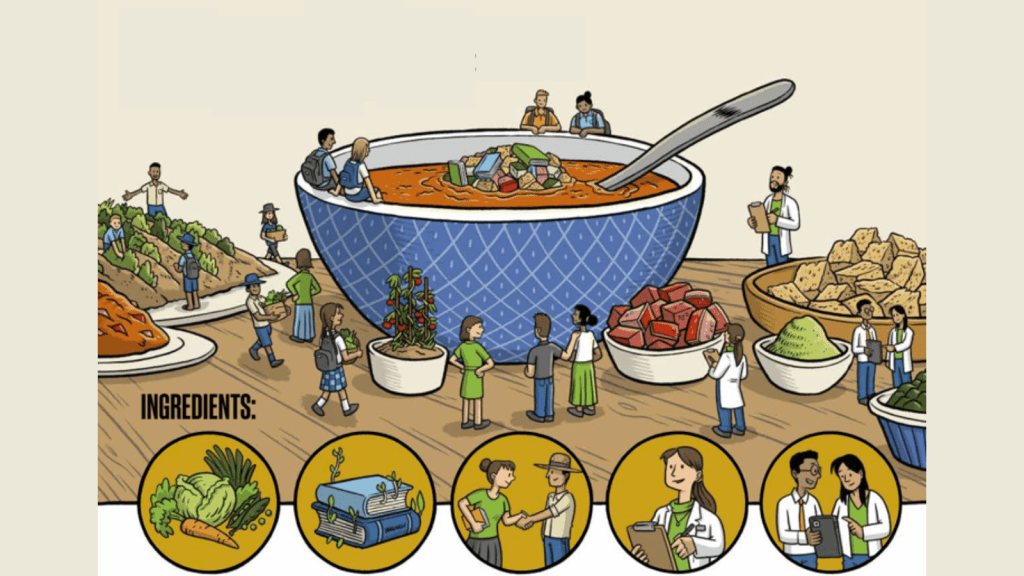
One message we hope that will make its way to the 2nd Global Summit of the School Meals Coalition taking place this week in Brazil is that nutritionists should be involved so that school meals are nutritionally balanced, diverse and tailored to local needs.
Nutrition professionals can help design efficient, cost-effective and sustainable programmes, ensure adherence to dietary guidelines and standards, and shape national and local policies related to school meals. Nutritious school meals are important for children’s physical and psychosocial development. They are also setting up lifelong dietary and lifestyle habits.
But the number of nutritionists engaged in school meal provision varies widely. Some countries realize the need. In Brazil, some 7,300 registered nutritionists make decisions on school menu design, emphasizing fresh or minimally processed foods to promote healthy nutrition. In Japan, about 6,800 nutrition teachers and 4,500 additional school nutrition staff were engaged in the School Lunch Programme. In the Republic of Korea, almost 13,400 nutritionists were involved in the School Food Service programme, at the regional and local government level, with the aim of providing a balanced meal of high quality to all students.
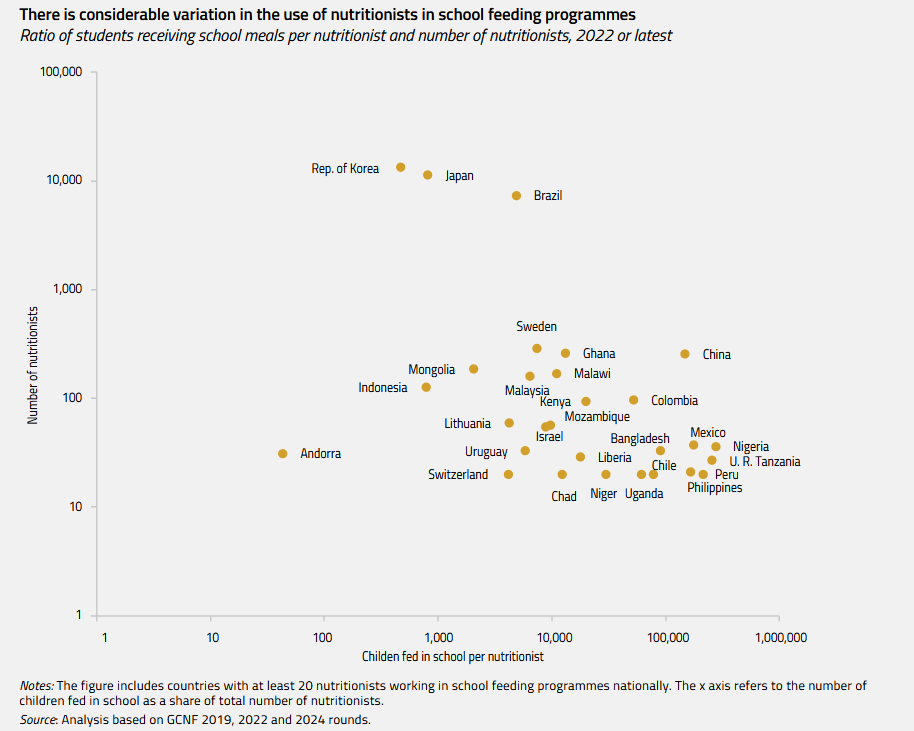
In Colombia, one nutritionist was employed for each of the 97 territorial entities implementing the school meal programme. The School Feeding Programme in France engages nutritionists paid by regional and local governments. Their role is to implement initiatives to mitigate overweight and obesity, such as setting nutritional standards for food baskets, restricting unhealthy food and beverages near or in schools, promoting physical education, providing food and nutrition and health education, and supporting classroom interventions by school nurses.
In Cabo Verde, two nutritionists were engaged in the school feeding programme in 2022. In Indonesia, the programme involved two nutritionists per district. In Sweden, nearly all of the 290 municipalities, which manage the school meals, have competence in nutrition and/or meal management.
Donor-funded projects in Africa usually include nutritionists. In Lesotho, eight nutritionists were employed by the national government and implementing partners in the School Feeding Programme, and five nutritionists were employed by the national government in the World Food Programme Pre-Primary School Feeding Project.
But more nutritional expertise is needed. In 2022, there were no nutritionists involved in 27% of programmes globally. In October 2024, the Africa Nutrition Society, in collaboration with key partners, hosted a school health and nutrition workshop for the region, bringing together nutrition professionals, policymakers and development practitioners. The participants emphasized the need to increase awareness among African nutrition and health professionals of the importance of nutrition in the school years through nutrition networks, and the need to integrate nutrition professionals and enhance their capacities to scale up school meal programmes.
Of course, whether there are enough nutrition professionals around is another story, which education is here to help with. But that’s another story! And will be posted about on this blog shortly.
- Read the Learn to eat well
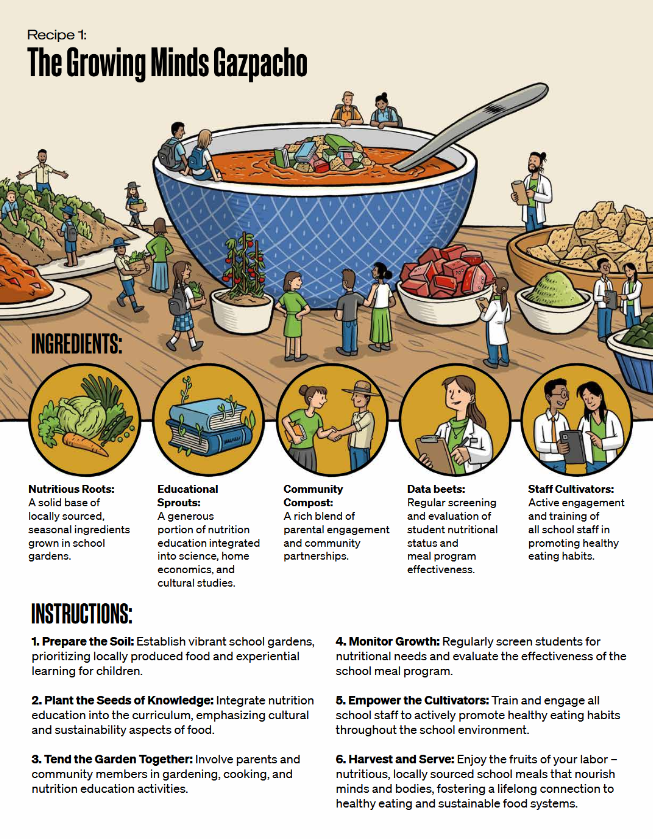
- Download the recipe book about how to cook up nutrition education.
- Share the social media resources.