By H.E. Siviwe Gwarube, Minister of Basic Education, Republic of South Africa
Fifty years ago, on 16 June 1976, high school students of the township of Soweto in Johannesburg rose up to demand dignity, equality and their right to quality education. Protesting a decision that would have seen black students taught in Afrikaans, which the students saw as the language of the apartheid government and a tool of oppression, the Soweto Uprising remains one of the defining moments in South Africa’s democratic journey. It remains today a powerful symbol across Africa and the world of the courage of young people to challenge injustices that had also come to affect education.
Fifty years on, our government is launching a year-long programme, which seeks to reflect on and honour the sacrifices of the historic 1976 student uprising that shaped our country’s liberation struggle, and to inspire new generations of young people to advance freedom, justice and equality in education and beyond.
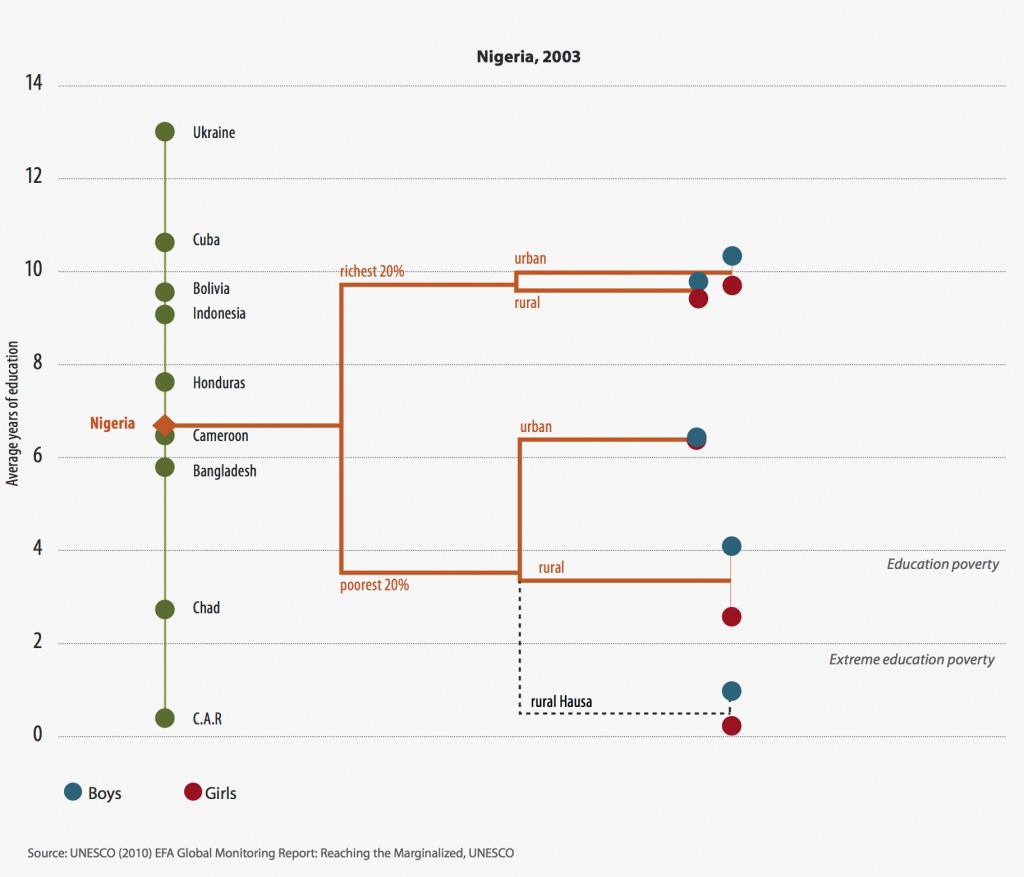
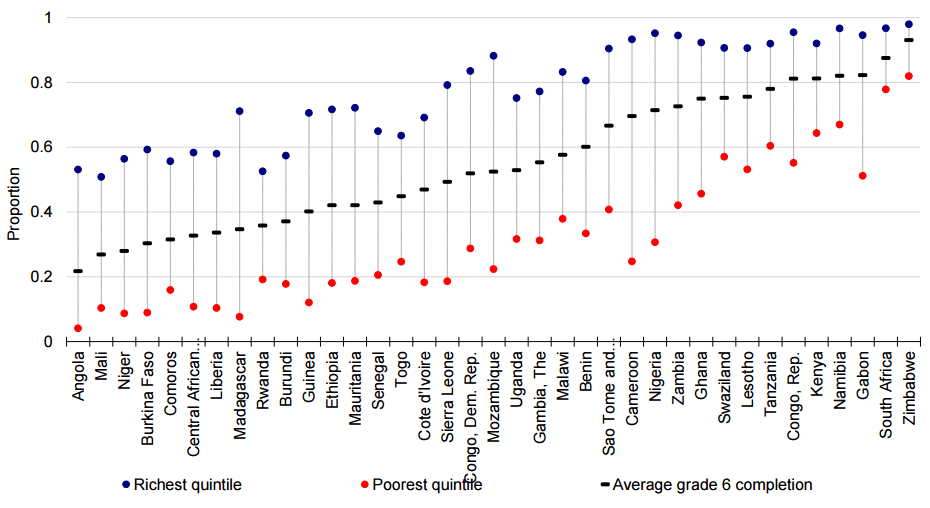
We are aware that the demands raised by young people in 1976 continue to resonate today. Since 2015, 75 million more children in Africa have enrolled in school, a major step forward. Yet during the same time, the number of out-of-school children has also grown by over 13 million, now surpassing 108 million. Poverty, geography, disability, gender, language and unequal learning environments still determine too often which children succeed and which are left behind.
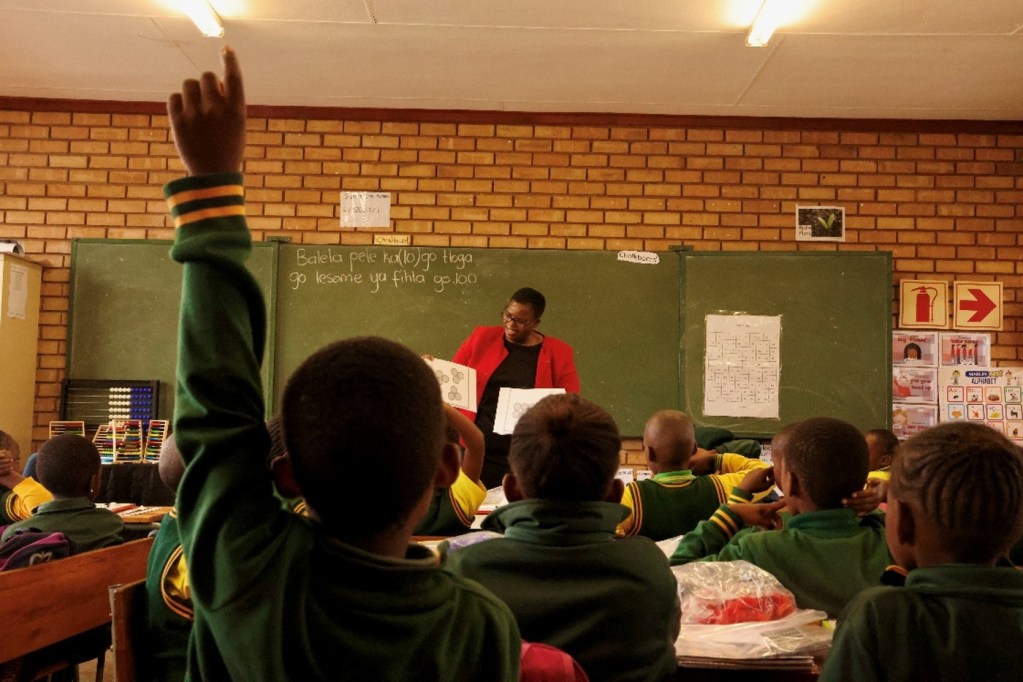
The recent Spotlight Report on South Africa our Ministry produced in partnership with the Global Education Monitoring Report highlights both the progress South Africa has made and the serious challenges that remain in ensuring equitable learning opportunities for all. Expanding enrolment alone is not enough. Every child is born to learn. We must also ensure that schools are safe, inclusive, adequately resourced, and capable of delivering meaningful learning for each and every one of them.
Across the continent, foundational learning remains an urgent concern. The 2025 Spotlight Report on foundational learning by the African Union and the GEM Report shows that only 11% of learners are leaving school with basic literacy and numeracy skills. At the same time, education systems are being asked to respond to widening inequalities, technological transformation, climate pressures, unemployment, conflict and growing social divisions.
The injustices in our societies are influencing injustices in our education systems. Rarely explored, this is a critically important topic newly covered in the recent GEM Report paper, Learning to build just societies. It shows that these links are multiple and go both ways.
On the one hand, data show clearly that the rule of law and levels of discrimination in society have a direct correlation to whether children are likely to go to school.
On the other hand, we are not recognizing the potential of an inclusive and quality education for building just societies and societal cohesion. Schools do not only prepare young people for labour markets, they also shape how societies live together. Schools help build trust, democratic participation and social cohesion. In a world increasingly marked by polarization and distrust, education has a critical role to play in strengthening justice and democracy.
The lessons of Soweto ’76 should not remain in the past; they also relate to contemporary challenges. Young people continue to demand education systems that recognize their humanity, their aspirations and their future. We must listen. Our responsibility as governments and institutions is to respond with policies that place equity and dignity at the centre.
This means also reflecting honestly on participation and public trust. Young people today are often described as disengaged from democratic life. I do not believe this is true. Across South Africa and across Africa, young people continue to organize, advocate, create and challenge injustice. What many are questioning is whether institutions are capable of delivering meaningful change in their lives. We must work harder to provide them with strong foundations through their education systems that will unlock their potential to carry our nations forward on the right path.
Trust is built when youth participation leads to results, when education improves lives, opens opportunities and creates more just societies. This means listening more carefully to learners themselves with formal mechanisms for youth participation that can ensure that policy discussions are informed by lived experience.
To today’s young people, through our Soweto anniversary celebrations, we want to give you a message: your voice matters, your participation matters, and your leadership matters. The struggle for educational justice did not end in 1976. We need to work harder and together to build education systems that are more equitable, more inclusive, and which will empower learners to shape societies that are more equal, peaceful, democratic, and just. You are our partners in this work.